
Lyme Disease
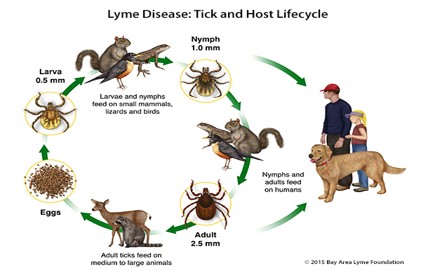
Lyme disease in dogs is a bacterial infection transmitted through the bite of infected blacklegged (deer) ticks. While many infected dogs show no symptoms, those that do typically exhibit shifting leg lameness, swollen joints, fever, and lethargy. It is highly treatable with antibiotics if caught early.
Symptoms to Watch For
Signs often do not appear until 2 to 5 months after the initial tick bite.
Look for:
- Sudden, shifting lameness or limping (often described as walking “as if on eggshells”)
- Painful, swollen joints and swollen lymph nodes
- High fever (103°F to 105°F)
- Lethargy and loss of appetite
Diagnosis
Veterinarians diagnose Lyme disease using a physical exam, your dog’s tick-exposure history, and blood tests (such as the 4Dx Snap Test or Cornell’s Lyme Multiplex assay) to detect antibodies.
Treatment
The standard treatment is a 30-day course of antibiotics, primarily doxycycline. Most dogs begin to show significant improvement within 24 to 48 hours of starting treatment. Pain medications or anti-inflammatories may also be prescribed to manage joint discomfort.
Rare but Severe Complications (Lyme Nephritis)
In rare cases (1% to 5%), Lyme disease can trigger a serious and potentially fatal kidney disease known as Lyme nephritis. Symptoms of kidney involvement include extreme lethargy, vomiting, diarrhea, increased thirst, and weight loss. If you notice these signs, contact your vet immediately.
Prevention
The best way to protect your dog is through year-round tick preventatives (like chews or topicals) and routine tick checks after walks. A Lyme disease vaccine is also available; you can consult your veterinarian to determine whether it is right for your dog’s lifestyle and risk level.
https://www.avma.org/resources-tools/pet-owners/petcare/lyme-disease-dogs